Harrow Council parking permit rules for removals vans
Posted on 01/08/2026
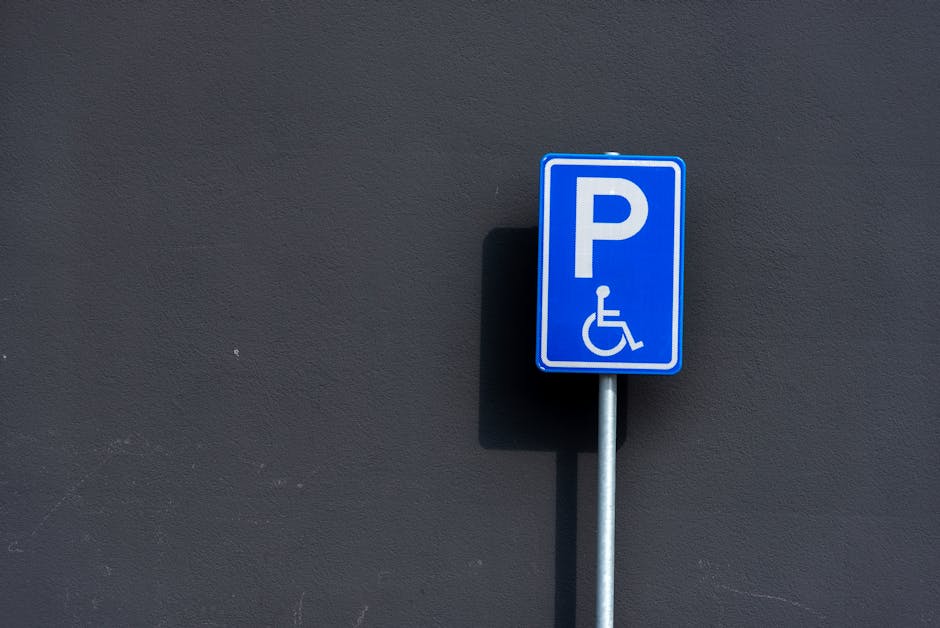
Harrow Council parking permit rules for removals vans: a practical guide for stress-free moving
If you are moving in Harrow, the parking side of the job can be the bit that suddenly turns a calm day into a messy one. A removals van needs space, timing, and usually a bit of patience. Harrow Council parking permit rules for removals vans matter because the wrong bay, the wrong time, or the wrong assumption can lead to delays, extra walking for your movers, or worse, a penalty charge notice. This guide breaks the topic down in plain English so you can plan properly, avoid the common traps, and move with far less fuss.
We will look at how these rules usually work in practice, what kinds of permits or suspensions may be needed, who should arrange them, and how to stay on the right side of local restrictions. You will also find a checklist, a comparison table, and a few real-world pointers that are especially useful if your street is narrow, busy, or parked solid by 8am. To be fair, that covers a lot of Harrow.
Why Harrow Council parking permit rules for removals vans Matter
Parking is not just a background detail on moving day. It shapes the whole pace of the move. A removals van that cannot stop close to the property means longer carry distances, slower loading, and more risk of damage if items are hauled further than planned. On a wet morning, with boxes skidding and people dodging traffic, that can become a genuine headache very quickly.
Harrow's streets include a mix of residential roads, controlled parking areas, busier high streets, and locations where access is tighter than it looks on a map. Even a short stop may be restricted by a permit scheme, loading rules, yellow lines, resident bays, school restrictions, or local traffic management. That is why you should treat parking planning as part of the removals plan, not something to sort on the kerb at the last minute.
If you are already dealing with access issues, our guide on narrow streets and access restrictions in Harrow removals is a helpful companion read. It explains the practical side of tight roads, awkward turns, and where a smaller vehicle might actually be the smarter choice.
There is also a simple commercial reality here: time is money. If the van is parked legally and close by, the move is usually smoother, quicker, and less stressful. If the van has to circle the block or park half a road away, everyone feels it. And nobody needs that before lunch.
How Harrow Council parking permit rules for removals vans Works
The exact arrangement depends on the street and the parking controls in place, but the general principle is straightforward: a removals van may need permission to park in a restricted space, occupy a bay, or stay longer than normal loading would allow. In some locations, a permit or bay suspension may be required. In others, the move may rely on loading/unloading allowances, provided the van is attended and the activity is genuinely in progress.
In practice, this usually means checking four things before moving day:
- Whether the road has controlled parking zones, resident bays, or pay-and-display restrictions
- Whether loading is allowed at the time you need it
- Whether a large van will fit safely without blocking driveways, junctions, or crossings
- Whether any special permission is needed for a bay suspension or temporary use of a parking place
People often assume a removal van can simply "stop for a bit". Sometimes that is fine. Sometimes it is not. The difference is often the exact marking on the road, the time of day, and whether a traffic warden sees the van as actively loading. That last bit can be a bit nerve-racking, honestly, if you are watching the clock.
Another thing worth understanding is that a removals company may need the customer to provide local access details in advance. If you have a permit-controlled street, a gated block, or a shared courtyard, the mover may need to know vehicle size, expected arrival time, and whether there is any space for tail-lift operation, ramp use, or temporary parking near the entrance. Good communication helps here more than anything fancy.
If you are comparing service types while planning the move, the wider context in our services overview can help you decide whether you need a full removals team, a man-and-van setup, or something in between.
Key Benefits and Practical Advantages
Getting the parking side right has a surprisingly big impact. It is not just about avoiding penalties. It affects the feel of the entire move.
- Less delay: The van can load and unload closer to the property, which saves time.
- Lower physical strain: Shorter carry distances mean fewer chances of dropped items or rushed handling.
- Better coordination: Movers, helpers, and the driver can work in a cleaner sequence.
- Reduced stress: There is less last-minute panic about where the vehicle can stop.
- Fewer compliance risks: A legal parking plan reduces the chance of fines or complaints from neighbours.
There is also a softer benefit that people sometimes overlook: a smoother arrival helps the whole day feel more under control. When the van turns up, parks properly, and gets to work without drama, everything after that tends to settle down. You hear fewer repeated "where's the tape?" moments and more actual progress.
For larger or more delicate loads, the parking arrangement becomes even more important. If you are moving bulky furniture, a piano, or several heavy items, the extra walking distance can be the difference between a clean, careful move and a very tiring one. In those cases, it may be worth looking at specialist help such as furniture removals in West Harrow or, for more awkward items, piano removals in West Harrow.
Who This Is For and When It Makes Sense
This topic is relevant if you are:
- moving house or flat in Harrow
- using a removals van for a same-day move
- relocating from a controlled parking street
- moving from an apartment block with restricted access
- running an office relocation in a busy area
- helping a student move in or out of accommodation
It also matters if you are the person arranging the move rather than the vehicle. Quite often, the driver will not know the street layout, local parking controls, or where the nearest legal loading point is. That is normal. The customer usually knows the property and the local quirks better, so the parking plan often starts with you.
For student moves, the issue is especially common because timing tends to be tight and parking around halls, shared houses, or flats can be frustrating. If that sounds familiar, have a look at student removals in West Harrow for a more focused look at that kind of move.
If you are working with a landlord, letting agent, or estate agent, it is also sensible to factor in parking rules early, especially when exchange and completion dates are fixed. Our related guides on selling homes fast in Harrow and Harrow real estate can help if your move is tied to a property transaction and timing is tight.
Step-by-Step Guidance
Here is a practical way to handle the parking side without turning it into a last-minute scramble.
- Check the street controls early. Look at the road outside your property and note any resident bays, permit zones, loading restrictions, yellow lines, or time-limited controls.
- Measure the realistic parking space. A removals van needs more room than a family car, and it also needs safe clearance for doors, ramps, and people passing by.
- Decide whether a permit or suspension is needed. If the van will need to occupy a bay or stop in a controlled space, permission may be required. Do not assume loading is automatically allowed for long periods.
- Tell the removals team the local details. Share the street name, access point, nearest junction, and any complications such as bollards, school times, or a one-way system.
- Build in a timing buffer. If the parking arrangement is sensitive, schedule the van a little earlier than the first box lift. That small buffer can save the entire morning.
- Keep documents and contact details ready. If anything needs to be confirmed on the day, you want the driver or site contact to have the right number immediately.
- Check again the day before. Parking notices, bay suspensions, or temporary restrictions can change. A quick re-check saves surprises.
In real life, this usually means a short call, a few photos, and a bit of street-level common sense. Nothing glamorous. But it works.
For moves where timing is especially tight, you might also find same-day removals in West Harrow useful, because parking planning becomes even more important when the whole job has to happen fast.
Expert Tips for Better Results
Small decisions make a big difference here. A few habits can save a lot of trouble.
- Choose the right vehicle size. A smaller van can sometimes park more easily and still carry a surprising amount. Bigger is not always better.
- Think about the loading side. If the pavement is narrow or pedestrians are heavy, plan where doors will open before the van arrives.
- Use photos, not assumptions. A quick phone photo of the street is often more useful than a verbal description.
- Arrange helpers near the entrance. One person inside, one at the doorway, one by the van. That rhythm keeps things moving.
- Watch for school-run or commute timing. A road that feels quiet at 11am can be a different story at 8:15. Quite different.
One of the most useful things you can do is ask the removals company how they normally handle parking on streets like yours. An experienced team will usually spot the risks quickly and may suggest a better stopping point, a different arrival time, or a smaller vehicle. If you are still comparing providers, pages like removal companies in West Harrow and man with a van in West Harrow can help you think through the service level you actually need.
And one human tip: do not leave parking to the "we'll sort it when we get there" school of moving. That school is full. Always has been.
Common Mistakes to Avoid
A lot of parking trouble comes from a few repeat mistakes. They are easy to make, especially if this is your first local move.
- Assuming loading is always allowed: Some streets allow short loading; others do not, or only at certain times.
- Forgetting about height or width: A space may look usable but not safely fit a removal van.
- Leaving it to the day itself: Permits, suspensions, or access arrangements can take more planning than people expect.
- Not telling the movers about restrictions: If the driver arrives blind, the whole schedule can wobble.
- Parking across driveways or junctions: This is the sort of thing that gets complaints fast. And rightly so.
There is also a softer mistake: underestimating how long the move will take if the van cannot get close. People often plan by room count and box count, but forget the walking distance from property to vehicle. That one detail can stretch the day more than you think.
If your move has other complications too, such as cancellations, delays, or changing access windows, our guide on booking delays and cancellations in Harrow removals is worth a look before the big day.
Tools, Resources and Recommendations
You do not need a complicated toolkit, but a few practical tools help a lot.
- Phone camera: Use it to photograph the parking space, road signs, and access route.
- Notebook or notes app: Keep bay numbers, arrival windows, and building access details together.
- Measuring tape: Useful if you need to sanity-check whether a van can fit near the property.
- Printed move plan: Handy when signal is patchy or everyone is busy.
- Boxes and labels: Not parking-related, but vital for fast unloading once the van is in place.
For the packing side of the move, it helps to have strong materials and clear labels before the vehicle arrives. If you want a more organised handover, packing and boxes in West Harrow is a sensible place to start.
For people who want a broad overview of move planning, storage, and support services, removal services in West Harrow and storage in West Harrow are useful related pages. Sometimes the smartest move is to split the job across more than one day, especially if parking is awkward or completion timing slips. That happens.
Law, Compliance, Standards, or Best Practice
Parking rules are not just a practical issue; they are part of basic road and traffic compliance. In England, councils use parking controls to manage road space, safety, traffic flow, and access for residents and services. For removals vans, the important point is simple: if the bay, road, or loading area is controlled, you should not assume the van can stand there without permission.
Best practice for removals work in Harrow usually includes the following:
- check local restrictions in advance
- avoid blocking driveways, junctions, crossings, or emergency access
- use loading only where it is genuinely allowed and actively taking place
- treat permit or suspension arrangements as part of the job plan
- keep communication clear between customer, driver, and any building management
There is also a safety angle. A van parked badly can create a hazard for pedestrians, cyclists, and the moving crew itself. That matters on busy roads and in tight residential streets where people naturally try to squeeze past. Good practice is not just about avoiding fines; it is about keeping everyone safe and making the move cleaner.
If you are comparing providers, it can help to look at how they talk about safety and responsibility more broadly. Pages such as health and safety policy and insurance and safety give a better picture of how a mover handles risk, not just parking.
Options, Methods, or Comparison Table
Not every move needs the same parking approach. The right method depends on the street, vehicle size, and how much you are moving.
| Parking approach | Best for | Pros | Watch-outs |
|---|---|---|---|
| Short loading stop | Quick flats or small loads | Fast, simple, often enough for light moves | May not suit longer jobs or busy streets |
| Permit or bay use | Controlled parking streets | More predictable access near the property | Needs advance planning and local checks |
| Bay suspension or temporary restriction | Busy roads with limited space | Creates a dedicated area for the removals van | Usually requires more lead time and coordination |
| Alternative parking nearby | Narrow roads or restricted zones | Can keep the move legal when the front door space is tight | Longer carry distances, more labour, slower loading |
If you are wondering which option is best, the answer is usually the one that balances legality, safety, and distance from the front door. A perfect parking spot that is technically impossible to use is no help at all. A legal spot a little further away may be the smarter choice.
Case Study or Real-World Example
Picture a typical Friday move in a terraced street in Harrow. The property is on a narrow road with controlled parking, a few resident bays, and cars already lined up by mid-morning. The customer has packed most items, but there are still a couple of heavy wardrobes and a dining table that will need careful handling.
If the removals van turns up without a parking plan, it may end up stopping too far away. That means a longer carry, more time spent on the pavement, and a higher chance of knocking a corner or clipping a wall. The move still gets done, of course, but it feels more chaotic than it needed to be. By contrast, when the parking position is checked beforehand, the van can arrive, stop legally, and the crew can work in a steady rhythm. Less walking. Less shouting over traffic. Less of that awkward "can we just move this one thing again?" feeling.
A very similar situation can happen around busier local routes too, where timing matters almost as much as the parking space itself. If your move is near a station or on a route with heavy passing traffic, have a look at West Harrow Station man with van tips for quick moves and HA2 house removals routes and parking tips for more local context.
That is the general lesson: the move itself may be routine, but the parking is often what decides whether it feels routine.
Practical Checklist
Use this before moving day, and again the evening before if possible.
- Confirm the exact moving date and time window
- Check whether the road is in a controlled parking zone
- Identify any loading restrictions or yellow line issues
- Measure the likely parking space near the property
- Ask whether a permit, suspension, or temporary arrangement is needed
- Share the street layout and access details with the removals team
- Photograph the entrance, bay markings, and nearest signposts
- Prepare boxes, labels, and essentials so the van can be loaded quickly
- Keep a contact number handy for the driver, landlord, or building manager
- Re-check the street for temporary signs or changes on the day
Quick takeaway: if you plan the parking properly, the move usually feels half as stressful. Not magically easy, just calmer. And honestly, calmer is a win.
For a fuller picture of moving support, you may also want to browse house removals in West Harrow and flat removals in West Harrow depending on the kind of property you are leaving.
Conclusion
Harrow Council parking permit rules for removals vans can look a bit fiddly at first, but the logic is simple: know the restrictions, plan the vehicle's position, and do not leave access to chance. A few careful checks before the move can save delays, awkward loading, and the kind of parking stress that tends to creep up right when you are already tired.
If your street is tight, the parking controls are unclear, or you are moving at a busy time, treat the parking plan as part of the moving strategy itself. That is the professional way to do it, and in everyday terms, it just makes life easier. A little preparation goes a long way. Especially on a damp London morning when everyone would rather be anywhere else.
Get a free quote today and see how much you can save.