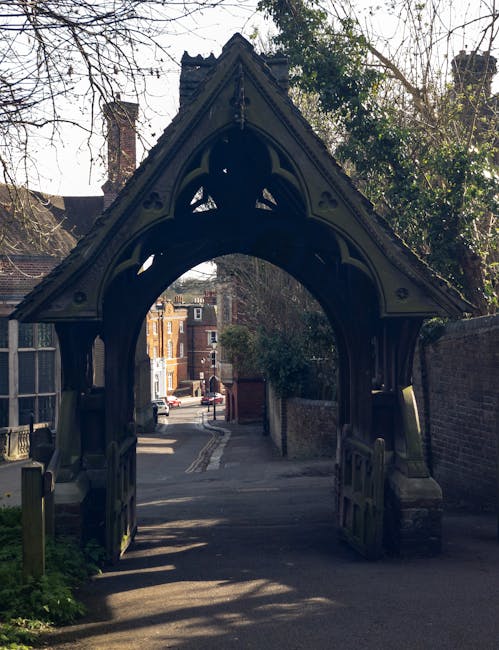
Access restrictions and narrow streets Harrow removals solutions
Posted on 25/06/2026
Moving in Harrow can look straightforward on paper, then suddenly turn awkward the moment a van meets a tight turning, a parked car blocks the road, or the stairwell is too narrow for a sofa that seemed perfectly ordinary yesterday. That is exactly where Access restrictions and narrow streets Harrow removals solutions matter. The right approach keeps the move calm, reduces damage risk, and stops a small access issue becoming a full-day headache. Whether you are moving from a flat near a station, a terraced house on a narrow residential road, or an office with awkward loading space, the difference is usually in the planning. Not luck. Planning.
This guide breaks down how restricted access removals work in real life, what problems to expect, and which solutions actually help. You will also find a practical checklist, a comparison table, and a realistic example from a typical Harrow move. If you are weighing up options, you may also find it useful to look at the wider removal services overview and the page on local removals in West Harrow for context on what a tailored move can include.

Why access restrictions and narrow streets Harrow removals solutions matters
Access problems are not just an inconvenience. They affect timing, cost, safety, and the overall mood of the move. In Harrow, many streets were not designed for modern oversized vehicles, and some properties sit behind gates, along shared driveways, or in roads where parking is limited and turning space is tight. Add in school-run traffic, delivery vans, resident permits, and the usual London squeeze, and you have a recipe for delays unless the removal plan has been built around the access itself.
One of the most common mistakes people make is assuming that a large van is always the best choice. Sometimes it is. Sometimes it is the wrong choice entirely. If the van cannot get close to the front door, your crew spends more time carrying items by hand, and that can increase the risk of knocks, scuffs, and lost time. On a wet afternoon, with a staircase that feels one inch too narrow, that becomes even more noticeable. Truth be told, the road outside can matter as much as the move inside.
That is why access-aware planning is not a luxury. It is part of the job. Good removal planning in narrow roads focuses on vehicle size, parking, walking distance, loading order, and whether an alternative approach is needed, such as a smaller vehicle, a shuttle transfer, or a timed arrival slot.
Key takeaway: the best Harrow removals solution is rarely the biggest van. It is the one that can actually reach your property safely and keep the move moving without drama.
How access restrictions and narrow streets Harrow removals solutions works
A proper access-restricted move starts before moving day. Usually, the process is part information gathering, part route planning, and part common sense. A reliable mover will want to know not only what you are moving, but where the vehicle will stop, how far items must be carried, whether there are steps or a lift, and whether any obstacles sit between the van and the front door.
In practical terms, the solution often follows a simple pattern:
- Assess the access - This means checking road width, parking availability, turning room, height restrictions, loading bays, and whether the property is on a one-way street or cul-de-sac.
- Match the vehicle to the street - A smaller man with a van in West Harrow setup may suit a tight street better than a larger removal lorry.
- Plan the loading sequence - Items are loaded in a practical order so that the first items needed at the destination are easiest to reach.
- Agree a fallback plan - If the van cannot park right outside, a shuttle or short carry route may be used.
- Protect the property and the goods - Extra care is taken with door frames, floors, staircases, and narrow corners.
Sometimes the move is straightforward once the right vehicle and timing are chosen. Other times it takes a bit of flexibility. For instance, one resident moving from a top-floor flat near West Harrow station might need a smaller van, an early arrival before the road fills up, and a second person to guide loading. Nothing exotic. Just smart logistics.
That is also where specialist local pages can help you compare services. If you are moving a smaller household load, the information on man and van services in West Harrow may be a useful fit. For larger home moves, house removals in West Harrow can be more suitable.
Key benefits and practical advantages
The biggest advantage of a good narrow-street removal solution is reduced friction. The whole move feels more controlled. You are not improvising with a 7.5-tonne vehicle that cannot turn, or carrying a wardrobe halfway down the street because there was nowhere legal to stop. That alone can save a lot of stress.
Here are the main benefits people usually notice:
- Less damage risk - Shorter carry distances mean fewer chances for scraping walls, snagging furniture, or dropping boxed items.
- Better timing - Well-planned access avoids long delays caused by circling for parking or waiting for a road to clear.
- Lower physical strain - Your movers spend less energy walking long distances, which makes handling heavier items safer.
- More accurate quotes - When access is understood upfront, pricing is usually more realistic and less prone to surprise extras.
- Less disruption to neighbours - Neatly timed loading avoids blocking drives, bins, and the kind of complaints nobody wants on moving day.
There is also a quieter benefit, one that people only really appreciate once the move is over: peace of mind. When the access plan is sound, the day feels easier. You are not constantly checking the window to see whether the van has found a place to stop. You can focus on labels, keys, and the hundred tiny tasks that come with moving.
For people who need flexibility, it can also make sense to review same-day removals in West Harrow if the move has become urgent, or storage options in West Harrow if access constraints mean you want to split the move into stages.
Who this is for and when it makes sense
Access-restricted removal planning is useful for more people than you might think. Yes, it is a natural fit for people on narrow streets, but it also helps anyone with awkward parking, tight stairwells, shared entrances, or a property that sits behind a courtyard or service lane.
This kind of solution is especially sensible if you are:
- moving from or to a flat with limited loading access
- living on a road where parking is controlled or very competitive
- handling a family move with larger furniture pieces
- moving an office into a building with a small lift or loading bay
- dealing with a last-minute move and limited flexibility on timing
- relocating valuable or awkward items that need careful handling
Students and renters often underestimate access issues. A move that looks simple online can be trickier once boxes, a desk, and a bed frame are involved. If that sounds familiar, the guide to student removals in West Harrow is a sensible related read. Likewise, if you are moving from a flat with stairs or limited lift access, flat removals in West Harrow can be the better fit.
And yes, sometimes it is the small things that decide everything. A front door that opens inward, a neighbour's car parked half over the kerb, or a bend in the road that leaves no room for a larger van. Tiny detail, big difference.
Step-by-step guidance
If you want the move to go smoothly, here is the practical order to follow. It is not fancy. It just works.
1. Measure the access, not just the rooms
People often measure sofas and wardrobes but forget the route from the door to the van. Check stairs, hallways, corners, ceiling height, and any tight entrance points. If you have a particularly awkward item, measure its length and width and compare it to the narrowest point on the route. This sounds obvious, yet in the real world it gets missed a lot.
2. Photograph the road and loading area
A few clear phone photos can help a mover understand the layout quickly. Include the road, kerb, entrance, gates, and any obstacles. A photo taken at street level often explains more than a long message ever could.
3. Decide where the van can realistically stop
If the van cannot sit right outside, work out the next best legal stopping point. A small compromise here can prevent a huge delay later. On some Harrow streets, stopping a little further away and using trolleys or a short carry route is simply the smarter option.
4. Sort items by handling difficulty
Heavy, fragile, and awkward pieces should be planned first. This is particularly important if the access route involves stairs or a long carry. You do not want to discover at the end of the job that the biggest wardrobe has to be moved after the crew has already climbed the narrowest staircase in the building. That is a bad time for everyone.
5. Build in time for local traffic and parking pressure
In Harrow, the route matters. School runs, commuter traffic, and busy local roads can all affect timing. A move that begins ten minutes late can become a much bigger issue if the chosen parking spot is already taken. For more route-aware advice, the article on HA2 house removals, routes and parking tips is worth a look.
6. Keep the access plan simple on the day
Once the move starts, avoid changing the plan every few minutes. Assign one person to guide the team, keep doors open where safe, and make sure the route stays clear. Simple, calm, and boring is actually ideal here.
Expert tips for better results
There are a few things experienced movers tend to do almost without thinking. These are the habits that make restricted-access jobs feel manageable.
- Use the right-size vehicle - A smaller van can be the difference between a clean arrival and a failed parking attempt.
- Book for quieter hours - Early mornings often work better for narrow streets and busy residential roads.
- Protect the exit points - Door guards, floor covers, and blankets help when the path out is tight.
- Break bulky furniture down - Disassembled items are easier to handle, especially on stairs and corners.
- Keep essentials separate - The kettle, documents, chargers, and toiletries should not be buried under everything else.
- Tell neighbours in advance when possible - A polite heads-up can reduce friction if a van needs to pause nearby.
In our experience, the most successful moves are the ones where the client stays decisive. Not rushed. Just clear. They know what is going, what is staying, and where the important boxes are. It sounds basic, but basic is powerful on a narrow road with a clock ticking.
If the job involves specialist items, it is worth checking whether dedicated services are more suitable. For example, furniture removals in West Harrow can be the better choice for heavy or awkward household pieces, while piano removals in West Harrow are obviously a different level of care altogether. Not exactly a job for winging it.

Common mistakes to avoid
Access problems usually become expensive when people underestimate them. A few common mistakes show up again and again.
- Assuming the van can park outside - That is a hope, not a plan.
- Booking without mentioning the road conditions - A mover cannot plan around details they do not know.
- Ignoring loading restrictions - Some streets and bays have time limits or access rules that affect when you can stop.
- Leaving bulky items assembled - If it can be safely dismantled, usually it should be.
- Not preparing indoor routes - Narrow hallways, loose rugs, and cramped corners create slowdowns and trip hazards.
- Forgetting building rules - Flats and managed properties may need lift booking or prior notice.
The biggest one? Hiding difficult access until the van arrives. That does nobody any favours. A good mover can usually work around the issue. But they need the real picture early, not the polished version.
For the broader planning side of moving, it can help to review packing and boxes in West Harrow and removal van options in West Harrow so the vehicle and packing approach match the property access.
Tools, resources and recommendations
You do not need specialist equipment for every move, but a few practical tools make a big difference when access is tight.
| Tool or resource | Why it helps | Best use case |
|---|---|---|
| Furniture blankets | Protects edges and door frames | Narrow entrances, stairs, and tight turns |
| Hand trolley or sack truck | Reduces strain on heavier boxes and appliances | Short carry distances from van to property |
| Ratchet straps | Keeps items secure in transit | Mixed loads on smaller vans |
| Floor covers | Protects flooring during repeated trips | Flats, managed buildings, and wet weather |
| Phone photos of access | Helps the mover visualise the route | Any street with uncertain parking or turning space |
Recommendations are rarely one-size-fits-all, but a few stand out:
- Choose a team with local experience of Harrow roads.
- Be clear about stairs, lifts, and long carries before the quote is final.
- Use storage if the move needs to be split across dates.
- Ask for a plan that matches the access, not a generic template.
If you are comparing providers, reading about removal companies in West Harrow can help you understand how service levels differ. You may also want to review pricing and quotes so you know how access complexity can affect the estimate.
Law, compliance and best practice
For most home moves, the legal side is fairly practical rather than dramatic. The main point is to keep the move safe, lawful, and considerate. That means parking where you are allowed to park, not blocking access routes, and avoiding anything that creates a hazard for pedestrians or other drivers.
In the UK, movers are generally expected to work with reasonable care around property, access points, and transport safety. If a road has restrictions, those restrictions matter. If a building requires booking a lift or provides moving instructions, those instructions should be followed. And if items are heavy, awkward, or likely to cause injury, safe lifting practices are not optional. Common sense, really, though it still needs saying.
Good practice also includes clear communication about insurance and liability. If you are moving valuable belongings, it is wise to understand what is covered and what is not. For additional context on this, you can review insurance and safety information and health and safety policy details. If you care about responsible disposal or reuse during the move, recycling and sustainability guidance is also relevant.
There is another small but important best practice: be honest about the site conditions. If there is no safe place to stop, say so. If the road is too tight for a larger vehicle, choose a different vehicle. That is not a weakness. It is professionalism.
Options and comparison table
Different access scenarios call for different solutions. Here is a simple comparison to help you think it through.
| Option | Best for | Strengths | Limitations |
|---|---|---|---|
| Small van | Narrow streets, limited parking, smaller loads | Easier to park, flexible in tight roads | May need multiple trips for larger moves |
| Medium van | Moderate access with mixed furniture | Balanced capacity and manoeuvrability | Still may struggle on very tight streets |
| Large removal vehicle | More open roads and bigger household moves | Fewer trips, better for larger loads | Can be difficult to park or turn in restricted areas |
| Shuttle transfer | Severely restricted access or no legal stopping point outside | Allows a larger vehicle to stay elsewhere while smaller runs complete the move | Can take longer and needs more coordination |
| Split move with storage | Complex moves with timing gaps or access limits | Reduces pressure on moving day, keeps the process flexible | Requires planning and possibly extra handling |
The right option depends on the road, the building, the volume of belongings, and how much time you have. If you are dealing with an urgent situation, the information on same-day man and van for urgent Harrow moves is useful for understanding the common pressure points. For location-specific timing near transport hubs, West Harrow station man with van tips may also be helpful.
Case study or real-world example
Imagine a couple moving out of a two-bedroom flat on a quiet but narrow Harrow street. The road has parked cars on both sides, the nearest legal space is a short walk away, and the building has a tight staircase with a turn halfway up. On paper, the move looks simple. In reality, it needs careful handling.
The workable solution is not to force a big van into the street and hope for the best. Instead, the movers would likely use a smaller vehicle that can get close enough for loading, plan the move for an early slot before the street fills up, and protect the staircase and entrance with blankets and guards. Flat-pack furniture might be dismantled in advance, and the heaviest items loaded first so the van can be packed efficiently.
Now, imagine the same move done badly. The van arrives late, cannot park, and sits around the corner while boxes are carried in the rain. A sofa catches the edge of a doorway, tempers rise, and the whole day feels longer than it should. Honestly, it is the kind of thing that makes people swear they will never move again. You know the feeling.
The good version is calmer. The crew knows the access, the client knows the plan, and the move is completed with fewer surprises. Not effortless. Just controlled. That is usually the goal.
Practical checklist
Use this checklist before moving day. It is a small thing, but it saves a lot of scrambling.
- Measure stairways, hallways, and any tight corners.
- Confirm where the van can legally stop.
- Take photos of the road and entrance.
- Tell the mover about parking restrictions, permits, or one-way access.
- Disassemble large furniture where possible.
- Pack an essentials box for the first night.
- Protect floors, door frames, and corners.
- Check whether your building needs lift booking or notice.
- Keep phone numbers handy for the driver and your point of contact.
- Review whether storage might help if the move is split over more than one day.
If you are still choosing a provider, the pages on removal services in West Harrow and about us can give you a sense of how a local team presents its service and approach.
Get a free quote today and see how much you can save.
Conclusion
Access restrictions and narrow streets do not have to turn a move into a nightmare. Once you understand the road, the vehicle, the building, and the carry route, everything gets easier to manage. That is the real advantage of choosing a removals approach built around the property rather than forcing the property to fit the vehicle.
In Harrow, where parking pressure, tighter roads, and mixed housing layouts are part of everyday life, the smartest move is usually the one with the simplest access plan. A small amount of preparation upfront can save a surprising amount of stress on the day. Sometimes it is the little things that make the whole thing feel human again.
If you are planning a move and want a calmer, more practical route through it, take the time to map the access properly. Your future self, standing in a half-empty hallway with a cup of tea in hand, will be quietly grateful.